918188084460
🇬🇧 English
🇬🇧 English
🇮🇳 हिन्दी
🇮🇳 मराठी
🇮🇳 தமிழ்
🇮🇳 తెలుగు
🇮🇳 ಕನ್ನಡ
🇮🇳 ਪੰਜਾਬੀ
🇮🇱 עברית
🇸🇦 العربية
🇧🇷 Português
🇪🇸 Español
Hi-Tech Agricultural Products & Farm Inputs

Soil Solarization & Nursery Films

Sterilize Soil Naturally, Protect Early Crops & Eliminate Pathogens — Eco-Friendly Anti-Drip Films Powered by Ginegar Technology — Agrifirst supplies Ginegar Anti-Drip Soil Solarization Film (30-micron) & Nursery Clear Film (120-micron LDPE). Kill fungi, nematodes & bacteria naturally. Chemical-free soil sterilization across North India.

View Products

Healthier Soil Starts Before You Plant — Sterilize Naturally with Solar Heat

Soil-borne pathogens — Fusarium, Pythium, nematodes, and weed seeds — survive for years, re-infecting successive crops regardless of above-ground management. Chemical treatments are expensive, carry residue risks, and face increasing restrictions. Solarization is the proven, chemical-free alternative.

Agrifirst's 30-micron Solarization Film raises soil temperatures to 50–70°C at the surface over 4–6 summer weeks, eliminating pathogens and resetting the root zone. Ginegar's anti-drip technology prevents condensation droplets from cooling the soil — a critical advantage over standard clear films.

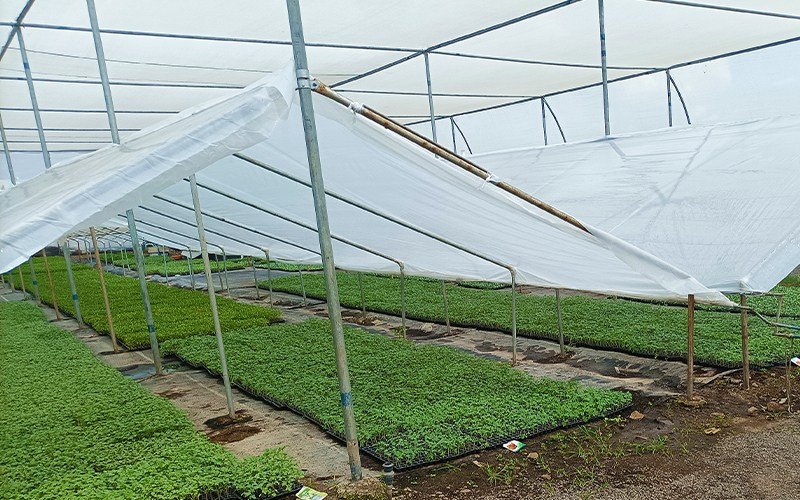
For nurseries, our 120-micron Anti-Drip Clear Film provides robust low-tunnel coverage for seedling propagation — protecting delicate seedlings from rain, cold, and pests through the crop's most vulnerable stage.
Healthier Soil Starts Before You Plant — Sterilize Naturally with Solar Heat

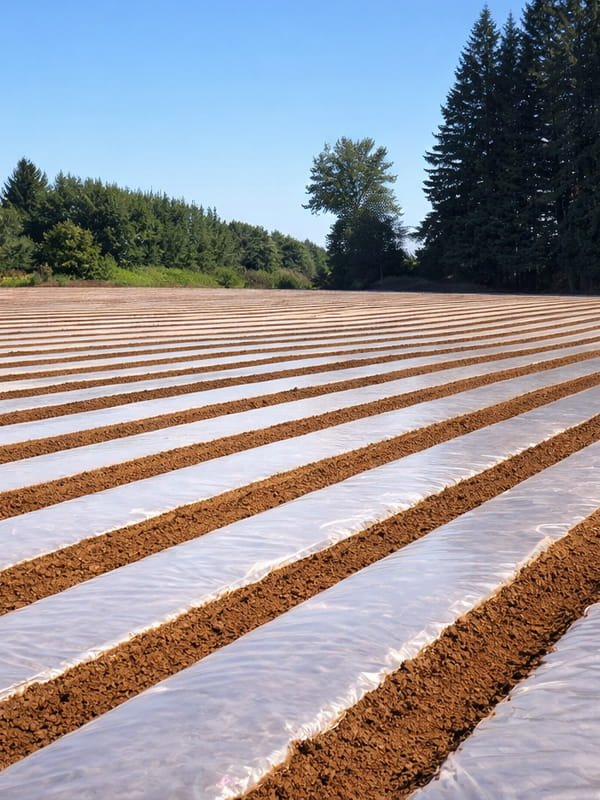
Soil solarization is a chemical-free soil disinfestation technique where moist soil is covered with a clear polyethylene film during peak summer months — typically May to July in North India — for a continuous 4–6 week period. The clear film transmits sunlight while trapping the resulting heat, raising soil surface temperatures to 50–70°C and depths of 15–20cm to 35–45°C. These temperatures are lethal to a wide spectrum of soil-borne pathogens including Fusarium, Pythium, Rhizoctonia, Sclerotinia, and Verticillium fungi; harmful soil bacteria; root-knot and lesion nematodes; and the seeds of most annual weed species. The result is a biologically reset soil profile that significantly reduces pathogen pressure for the following one to two cropping seasons.

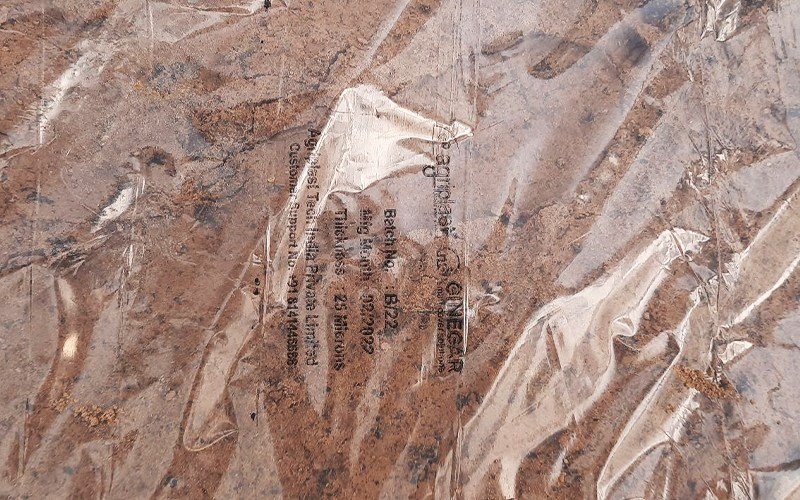
Agrifirst's Soil Solarization Film is a 30-micron LDPE film incorporating Ginegar's advanced anti-drip technology — the same additive that prevents condensation droplets in greenhouse films. During solarization, temperature differences between the warm soil and the cooler outer film surface cause water vapour to condense on the inner film surface. In a standard clear film, this condensation forms large droplets that fall back onto the soil surface, locally cooling it and significantly reducing treatment temperature at precisely the points where maximum heat is needed. Ginegar's anti-drip additive causes condensation to form a thin, uniform water sheet that runs off to the film edges rather than dripping — maintaining maximum soil surface temperature throughout the treatment period and delivering more effective pathogen elimination than standard films.

Proper soil preparation is critical to achieving effective solarization temperatures at the required depth. Begin by deep-tillling the field to 30–40cm to break up compacted layers and bring deeper soil into the treatment zone. Incorporate any organic matter, compost, or pre-plant fertilizers at this stage. Thoroughly irrigate the field to field capacity — moist soil conducts heat significantly better than dry soil, and water acts as the thermal medium that transfers surface heat down through the soil profile. Immediately after irrigation, lay the solarization film tightly over the prepared beds, burying the edges with soil to create a sealed chamber. The film should be kept in continuous contact with the soil surface — air gaps dramatically reduce treatment temperatures at the soil-film interface.

For effective pathogen elimination across the critical 0–20cm root zone depth, solarization film should remain in place for a minimum of 4 continuous weeks, and ideally 6 weeks during peak summer solar intensity. The treatment is most effective between late April and early July across North Indian plains and between May and August in higher-altitude regions where peak temperatures arrive later. Interruptions to the treatment — removing and reapplying the film, allowing rainfall to cool the soil before reapplication, or treating during suboptimal solar periods — significantly reduce effectiveness. A single, uninterrupted 4–6 week treatment during the hottest, sunniest period of the year delivers the most reliable and deep-acting results.

A low tunnel film is a clear polyethylene sheet draped over small semi-circular wire hoops placed directly over crop rows, creating a miniature enclosed environment 30–60cm above the soil surface. This low tunnel microclimate traps heat, elevates overnight temperatures, protects crops from cold winds and frost, and creates a physical barrier against rain splash, insect entry, and early-season pest pressure — accelerating establishment and early growth in transplanted crops and winter vegetables. The 30-micron Agrifirst Solarization Film can double as a low tunnel film for seasonal crop protection applications, while the 120-micron Nursery Film provides greater durability for permanent or frequently reused low tunnel installations across multiple growing cycles.

Agrifirst's Anti-Drip Clear Film for Nursery is a 120-micron LDPE film engineered for covering nursery propagation beds, low tunnels over seedling trays, and temporary protective structures during the monsoon and early-season establishment periods. At 120 microns — four times the thickness of the solarization film — it provides the physical robustness needed for repeated deployment and removal across multiple nursery cycles without tearing. The anti-drip additive is particularly critical in nursery applications because condensation droplets falling onto young seedlings cause physical damage to delicate cotyledons and first true leaves, and create the localised wet conditions on which damping-off fungi like Pythium thrive. By eliminating drip, the film maintains a healthy, stable microclimate that promotes vigorous early root and shoot development without the disease risks of conventional clear covering films.

The 30-micron specification for solarization film is a deliberate engineering balance between optical performance, thermal management, and single-use economics. Thinner films transmit more solar radiation to the soil surface and heat up faster — maximizing treatment temperatures. At 30 microns, the film is thin enough to achieve excellent light transmission and rapid surface heating while being robust enough to remain intact for the 4–6 week treatment period without tearing from wind, minor soil contact abrasion, or thermal expansion stress. Thicker films would unnecessarily increase material costs for a single-use application, while films below 25 microns risk tearing during installation or mid-treatment, interrupting the solarization process and requiring costly, time-sensitive replacement.

Yes — and in many respects, solarization is more effective inside a greenhouse or polyhouse than in open fields. The structure's covering film already pre-warms the internal environment, and the solarization film applied to the soil inside the structure must heat a smaller air volume to reach treatment temperatures. Polyhouse solarization is particularly valuable between cropping cycles to reset pathogen levels that accumulate in intensively managed structures where the same soil is cropped repeatedly. The key consideration is that the polyhouse must remain closed during treatment to maintain internal temperatures — open vents or Fan & Pad systems should be turned off during solarization to prevent heat loss that would reduce treatment efficacy.

Soil solarization delivers the greatest return in crops that are highly susceptible to soil-borne diseases or are grown on land with a history of pathogen buildup. In North India, capsicum, tomatoes, and cucumbers in polyhouses benefit significantly from pre-season solarization as these crops are highly vulnerable to Fusarium wilt, Pythium damping-off, and root-knot nematode damage. Strawberry production on soil or in transitional systems benefits greatly, as Verticillium wilt and nematodes are major productivity constraints. Nurseries producing vegetable and floriculture transplants are also prime candidates — solarizing seedling bed soil eliminates the damping-off pathogens that cause catastrophic seedling loss during the critical germination and early establishment phase.

Agrifirst supplies genuine Ginegar-technology anti-drip solarization and nursery films — not generic clear polythene that lacks the anti-drip additive that makes the critical difference in treatment effectiveness and seedling health. Our team provides complete solarization planning support including field preparation protocols, optimal application timing for your region and crop schedule, and post-treatment recommendations for re-inoculating beneficial soil biology before planting. For nursery film applications, we advise on the correct film thickness and low tunnel design for your specific seedling species, production volume, and seasonal conditions — ensuring your investment in soil and seedling health delivers measurable results in crop establishment, early vigour, and final yield quality.

Success Stories

Real Farmers, Real Results

After completing my Agriculture degree, I chose full-time farming over a job. Discovering polyhouse cultivation transformed my journey. With Agrifirst’s superior structures and professional guidance, I now earn around ₹10 lakhs per acre annually. Choosing Agrifirst was the best decision— they’re not just builders but long-term partners in a successful farming future.
Agrifirst transformed my farming journey. From planning my first polyhouse to expert agronomy support, their team guided me at every step. With improved yields and consistent income, I expanded into multiple polyhouses and now earn over ₹35 lakhs annually. Agrifirst is a true growth partner for farmers like me.
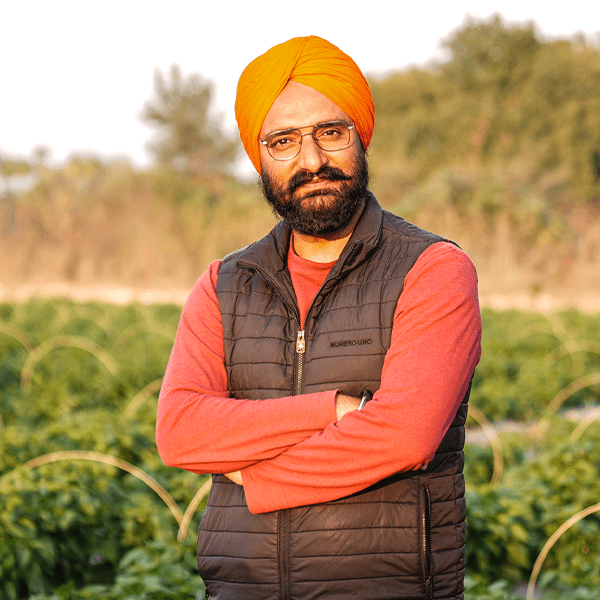
Coming from the handloom business, traditional farming gave low returns. Agrifirst introduced me to polyhouse cultivation and guided me from planning to agronomy. Within two years, my land productivity and profits transformed. Protected farming helped me rediscover passion and purpose. Agrifirst’s quality, professionalism, and support were key to my agricultural success.
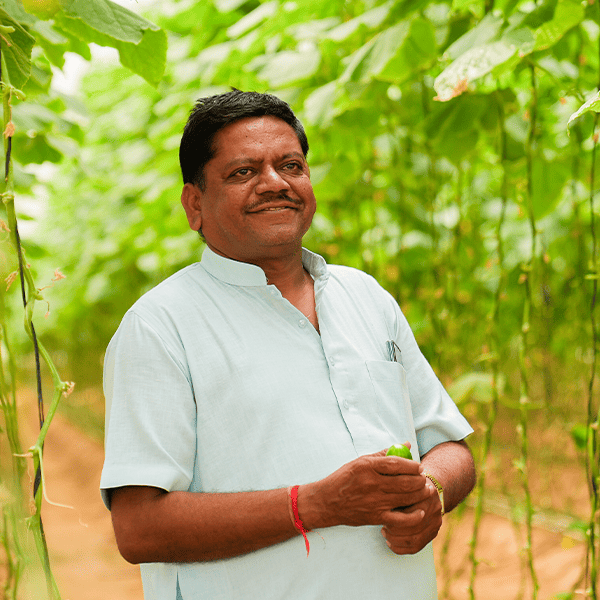
Agrifirst helped me build a successful 4-acre polyhouse farm in Sirsaganj. With their high-quality structures and continuous agronomy support, I now earn ₹60 lakhs annually from cucumber and capsicum cultivation. Their reliability and expert guidance make them a true partner in protected farming.
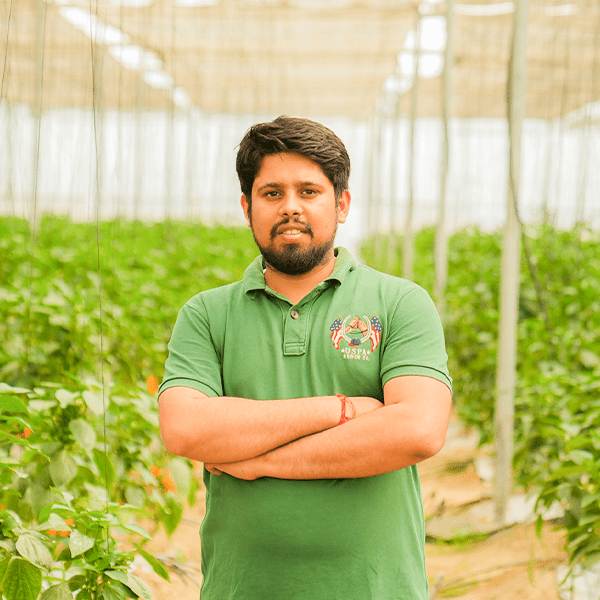
With 21 years in education, I explored protected farming for a sustainable venture. After visiting 19 polyhouses, I chose Agrifirst for their professionalism, quality, and agronomy expertise. Since 2019, I’ve grown cucumber in 1 acre, earning ₹18 lakhs annually. Agrifirst remains my trusted partner in this rewarding agricultural transformation.
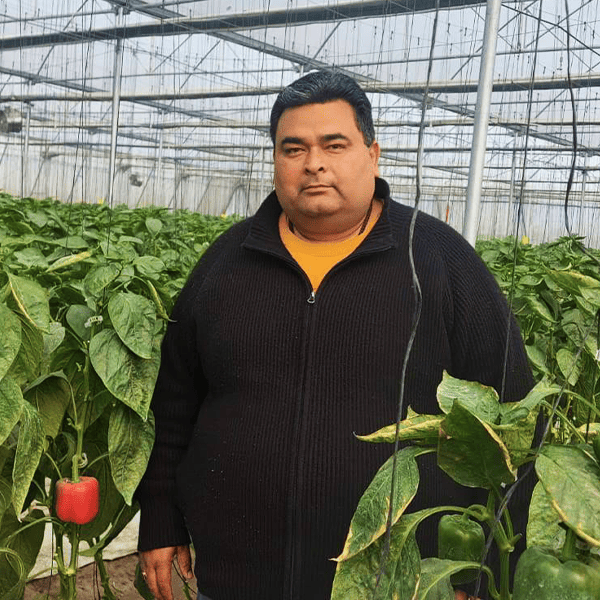
After challenges in running a flour mill, I shifted to agriculture for stability and clear returns. Months of research led me to Agrifirst’s unmatched execution and support. Today, I grow premium capsicum in 2 acres of polyhouse, earning ₹18 lakhs per acre annually. Agrifirst guided me from planning to success.
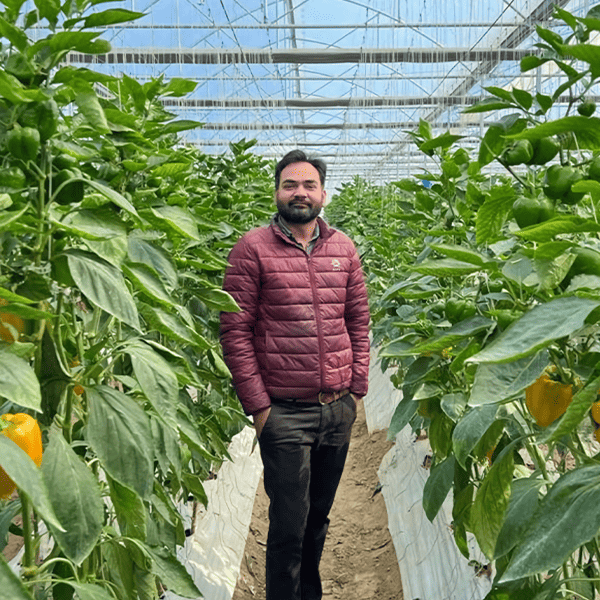
After my husband’s retirement, we explored polyhouse farming with Agrifirst’s transparent guidance. They supported everything—from planning, site selection, and subsidy processing to agronomy assistance. Today, I cultivate capsicum in 2 acres of Nethouse, earning ₹28 lakhs per acre. Agrifirst empowered me as a woman farmer and transformed our farmhouse vision.
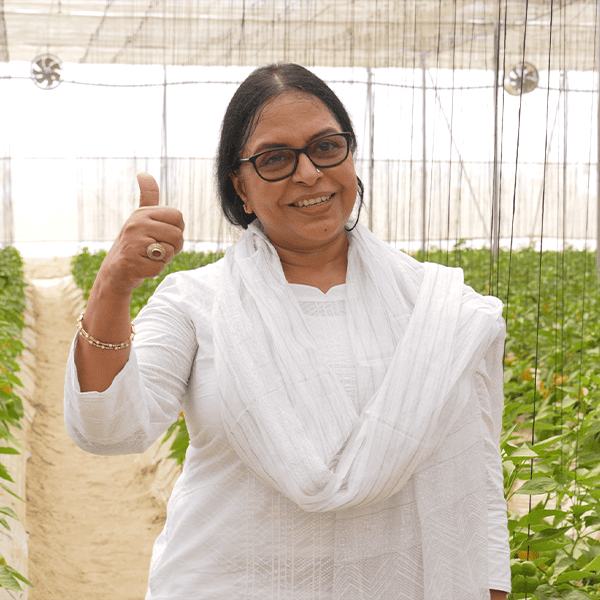
After 15 years in IT, I entered farming with zero experience. Agrifirst guided me through planning, subsidies, setup and agronomy, making the journey seamless. Today, I earn ₹15+ lakhs annually from protected cultivation. Agrifirst didn’t just build my polyhouse—they built my future.
Looking for guidance?

Our agronomic and technical team is ready to help — for free.

Your Profession

Our experts are just a message away

Our Office Agrifirst Lucknow (Registered Office)

Plot No E-7, Industrial Area, Kanpur - Lucknow Rd, near Audi Service Center, Sarojini Nagar, Lucknow, Uttar Pradesh 226401, INDIA


Call Us 918188084460

Email Us info@agrifirst.in