918188084460
🇬🇧 English
🇬🇧 English
🇮🇳 हिन्दी
🇮🇳 मराठी
🇮🇳 தமிழ்
🇮🇳 తెలుగు
🇮🇳 ಕನ್ನಡ
🇮🇳 ਪੰਜਾਬੀ
🇮🇱 עברית
🇸🇦 العربية
🇧🇷 Português
🇪🇸 Español
Shadenet Structures & Shade Net Solutions

Shade Net Solutions for Crop Protection

Control Light, Reduce Heat & Shield Every Crop — Premium Shade Nets & Liquid Shading for Every Farm & Structure. — Explore Agrifirst's Shade Net Solutions — Ginegar Aluminet, Polysack Nets, Tape×Tape, Mono×Mono woven nets & SombraSol/Solar Guard liquid shading. Complete crop light management across North India.

View Products
The Right Shade Net Doesn't Just Block Sun — It Engineers Your Crop's Growing Environment

The Right Shade Net Doesn't Just Block Sun — It Engineers Your Crop's Growing Environment

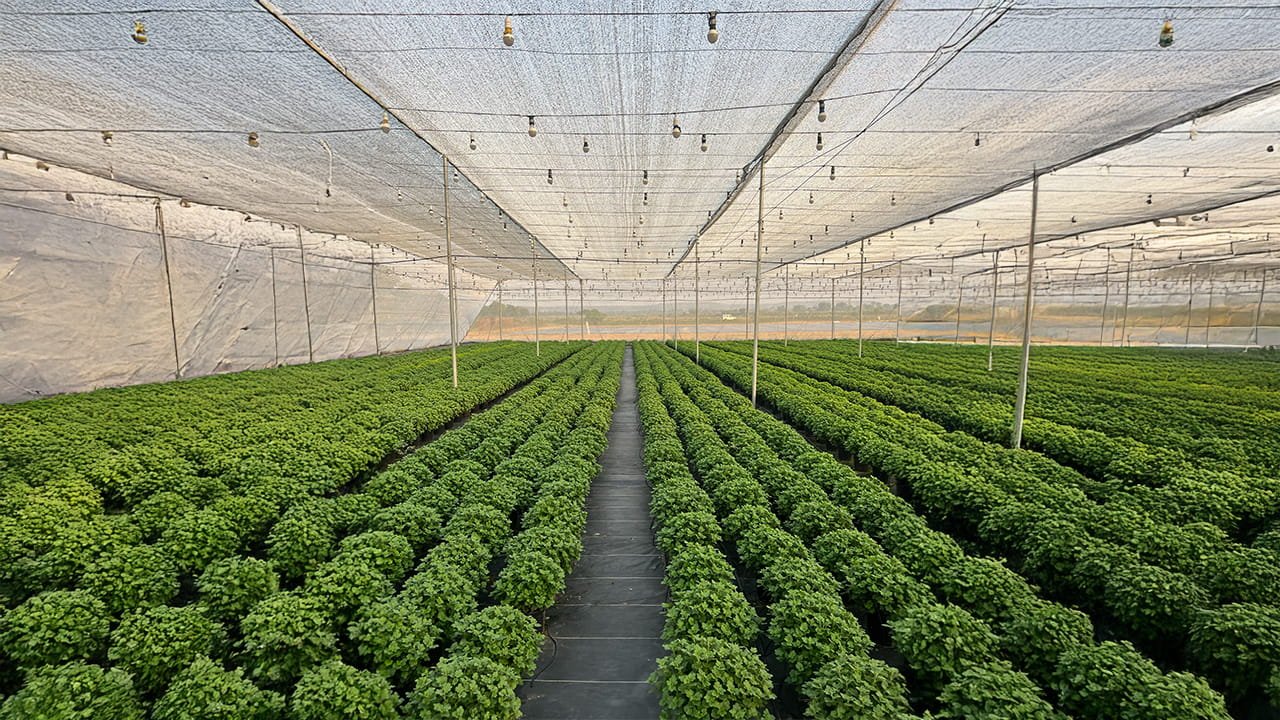
Choosing the wrong shade net is as damaging as no shading at all. Too much shade starves crops of photosynthetically active radiation. Too little, and heat stress, scorching, and moisture loss erode yield throughout the season.

Agrifirst's Shade Net range covers every shading requirement across North India. Ginegar Aluminet is an aluminized reflective net that actively reflects solar radiation — keeping internal temperatures 4–8°C cooler than conventional nets while uniformly diffusing light across the canopy. The Ginegar Polysack range offers durable woven nets across multiple shading percentages for standard crop protection.

For cost-effective structural shading, our Tape×Tape nets provide dense, rigid UV-resistant fabric for permanent installations, while Mono×Mono nets offer a lighter, high-airflow option for seasonal and semi-permanent use — both available across shading percentages matched to your crop's light requirements.

Where structural netting is impractical, SombraSol and Solar Guard liquid shading solutions apply directly onto existing greenhouse films, glass, or polycarbonate — fully adjustable, seasonally removable, and requiring zero structural modification.

Product Range

Shade Net Solutions for Crop Protection
5 Products

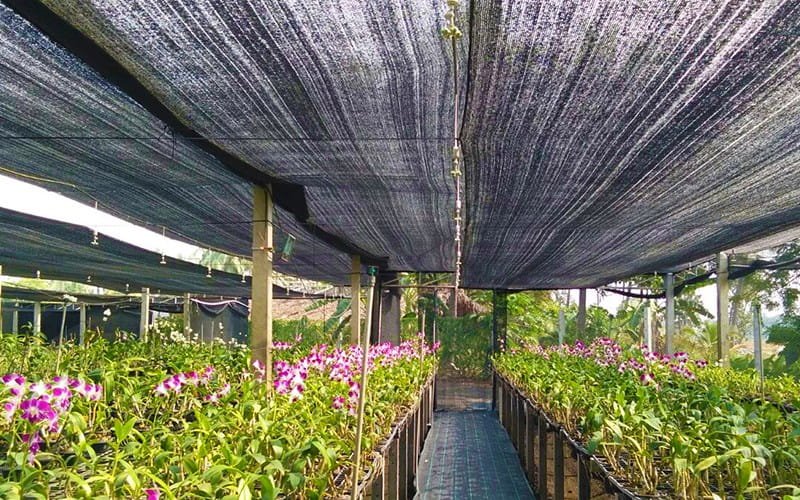
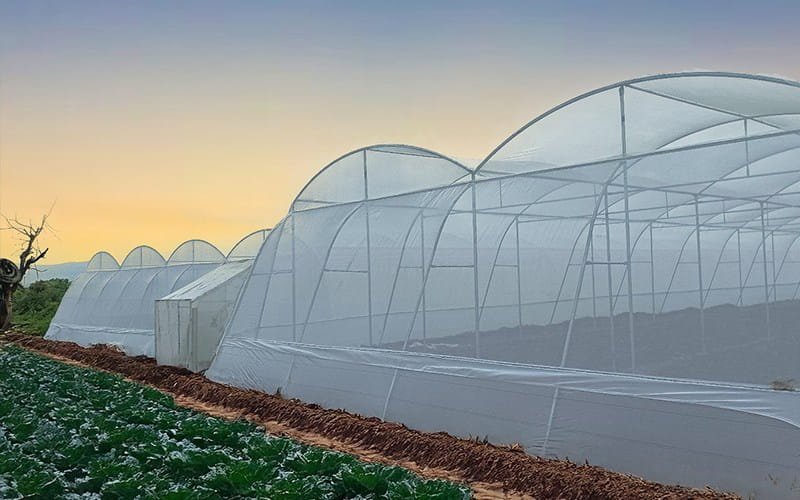
Shade nets directly control how much solar radiation — and specifically how much photosynthetically active radiation (PAR) — reaches your crop canopy. Insufficient shading causes heat stress, leaf scorch, accelerated transpiration, and reduced fruit quality. Excessive shading reduces the PAR available for photosynthesis, slowing growth and delaying harvest. The correct shade percentage depends on your specific crop, the season, your geographic region, and whether the net is being used inside a structure or in the open field. Agrifirst's technical team assesses all four factors before recommending a shade net specification — ensuring your crop receives exactly the light environment it needs to reach its yield potential.

Ginegar Aluminet is an aluminized reflective shade net manufactured with a metalized surface that reflects solar radiation rather than absorbing it — a fundamentally different mechanism from standard black or green woven nets which absorb heat and re-radiate it as thermal energy inside the structure. This reflective action keeps the environment beneath Aluminet 4–8°C cooler than equivalent conventional shade nets under the same conditions. Aluminet also diffuses incoming light more uniformly across the crop canopy, reducing the hot spots and deep shadows created by direct solar beams. It is the preferred solution for high-value crops like roses, strawberries, and capsicum in regions where summer temperatures regularly exceed 40°C.

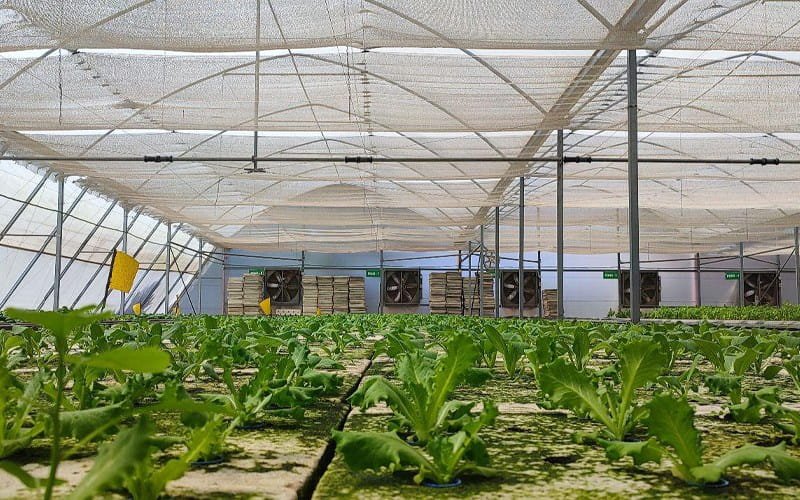
Ginegar Polysack nets are woven shade nets manufactured using Ginegar's advanced polymer extrusion technology, delivering consistent shading percentages, excellent UV stability, and long service life in both structural and open-field applications. Unlike reflective Aluminet which prioritises cooling, Polysack nets are the standard choice for applications where reliable light reduction and crop protection are the primary goals — including side curtains on naturally ventilated polyhouses, covering material for dome and flat-roof shade net houses, nursery shade applications, and general crop protection in fields where sunlight intensity during peak summer needs to be reduced by a defined percentage without the premium cost of aluminized fabric.

The difference lies in the yarn construction used in weaving. Tape×Tape shade nets are woven using flat tape strips in both the warp (lengthwise) and weft (crosswise) directions, producing a denser, more rigid fabric with excellent dimensional stability, high UV resistance, and superior mechanical strength — making it ideal for permanent shade net house installations, long-span roof applications, and structures in wind-exposed locations. Mono×Mono shade nets are woven using round monofilaments in both directions, creating a lighter, more flexible net with superior air permeability, better natural ventilation characteristics, and a more even light distribution pattern — preferred for seasonal applications, side curtains, and crops where airflow is as important as light management.

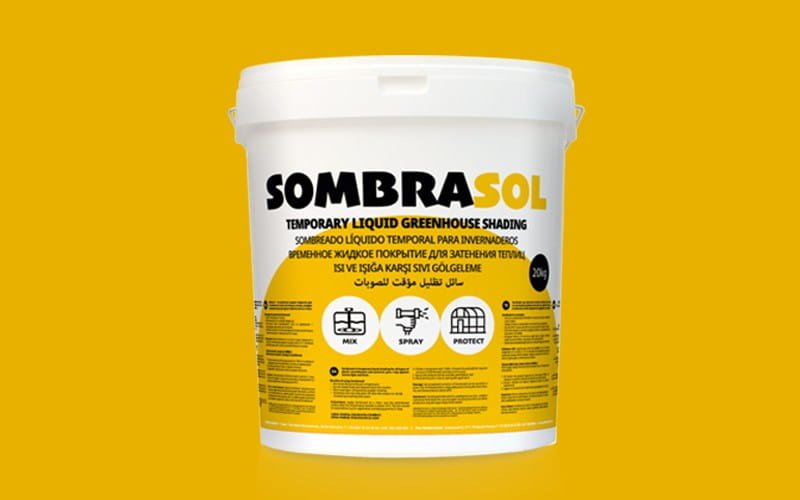
SombraSol is a water-based liquid shading compound that is diluted and sprayed directly onto the outer surface of greenhouse films, glass panels, or polycarbonate sheets to create a temporary, uniform shading layer that reduces incoming solar radiation by a defined percentage. The concentration of the spray mixture determines the degree of shading — allowing precise adjustment based on seasonal requirements, crop stage, or weather conditions. SombraSol is designed to remain stable on the film surface throughout the application period and is removed by rainfall or manual washing when shading is no longer required. It requires no structural changes, no installation hardware, and can be applied and removed by the farm team without specialist assistance.

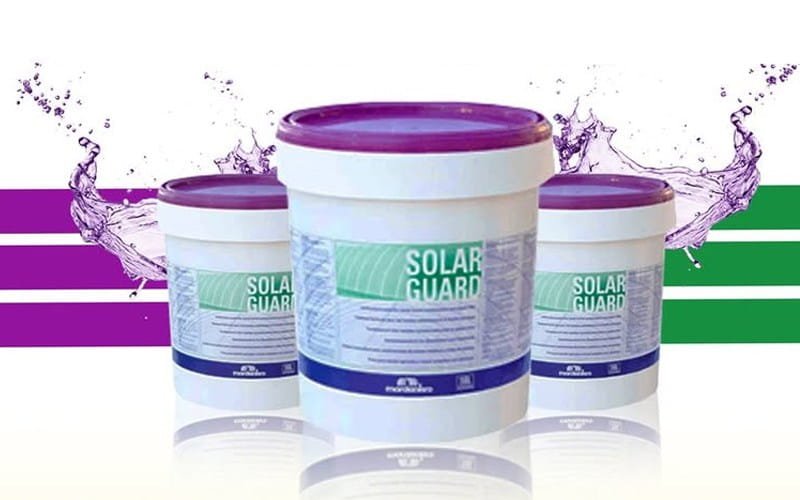
Solar Guard is a water-based liquid shading solution formulated for application on greenhouse films and glazed structures to reflect and diffuse solar radiation during peak heat periods. While both SombraSol and Solar Guard serve the same fundamental purpose of spray-applied seasonal shading, they differ in their specific formulation characteristics, durability profile, removal behaviour, and optimal application conditions. Agrifirst supplies both products and advises on the appropriate choice based on your greenhouse covering material, expected application duration, local rainfall patterns, and whether manual removal or natural weathering is the preferred removal method for your operation.

Liquid shading is the preferred choice in four specific situations: when retrofitting shading onto an existing greenhouse structure where installing internal or external nets would require significant structural modification; when shading requirements change seasonally and a fixed net percentage would either over-shade in winter or under-shade in summer; when precise, variable shading control is needed at different crop growth stages; and when budget or timeline constraints make fixed net installation impractical for a particular growing cycle. Liquid shading is not a permanent replacement for structural shade nets on dedicated shade net houses — but for existing greenhouse structures requiring flexible seasonal light management, it is the most practical and cost-effective solution available.

Shading percentage requirements vary significantly by crop type, growth stage, and season. As a general guide: floriculture crops like roses, gerbera, and carnations typically perform best under 30–50% shading during summer months. Leafy vegetables, spinach, and herbs used to partial shade conditions may require 50–60%. Nursery seedlings and recently transplanted crops often need 50–75% shading during establishment to prevent transplant shock. Fruiting crops like capsicum and cucumbers inside polyhouses typically benefit from 15–30% shading during peak summer only, reverting to unshaded conditions in cooler months. These are starting guidelines — Agrifirst's agronomic team provides crop-specific recommendations based on your location, existing structure, and target growing calendar.

Yes, and the placement significantly affects how the shade net performs. External shade nets intercept solar radiation before it enters the structure, providing both light reduction and meaningful temperature reduction inside — particularly effective with reflective Aluminet installed on the external roof. Internal shade nets are installed inside the structure on a secondary support system, providing crop-level light diffusion and some temperature management but without the full cooling benefit of external installation since solar energy has already entered the structure as heat. Many advanced commercial greenhouse setups use both — an external Aluminet layer for cooling and an internal diffusing net for light distribution — creating a two-stage light and temperature management system that maximises crop performance across seasons.

Agrifirst offers the most comprehensive shade net range available from a single supplier in North India — combining globally trusted Ginegar Aluminet and Polysack nets with our own Agrifirst Tape×Tape and Mono×Mono woven nets, and complemented by both SombraSol and Solar Guard liquid shading solutions. This breadth means we can match the right product to every application, budget, and crop requirement without pushing a one-size-fits-all solution. Every recommendation comes with crop-specific shading percentage guidance, correct installation specifications for your structure type, and Agrifirst's ongoing agronomic support — so your shading investment delivers measurable improvements in crop quality, yield consistency, and input efficiency throughout the growing season.

Success Stories

Real Farmers, Real Results

After completing my Agriculture degree, I chose full-time farming over a job. Discovering polyhouse cultivation transformed my journey. With Agrifirst’s superior structures and professional guidance, I now earn around ₹10 lakhs per acre annually. Choosing Agrifirst was the best decision— they’re not just builders but long-term partners in a successful farming future.
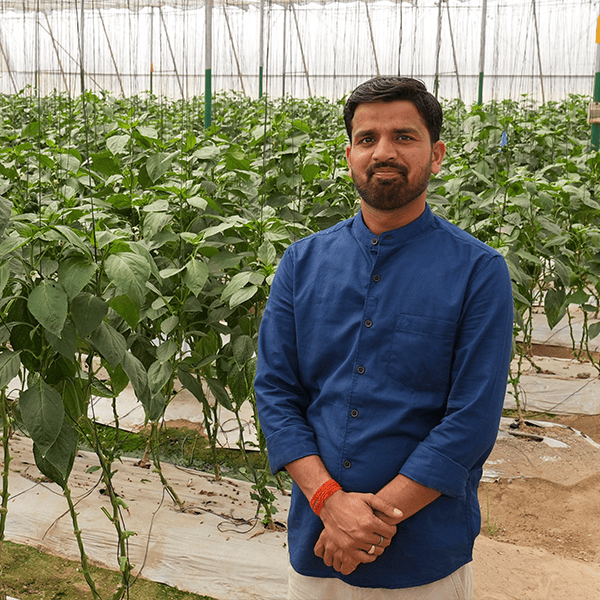
Agrifirst transformed my farming journey. From planning my first polyhouse to expert agronomy support, their team guided me at every step. With improved yields and consistent income, I expanded into multiple polyhouses and now earn over ₹35 lakhs annually. Agrifirst is a true growth partner for farmers like me.

Coming from the handloom business, traditional farming gave low returns. Agrifirst introduced me to polyhouse cultivation and guided me from planning to agronomy. Within two years, my land productivity and profits transformed. Protected farming helped me rediscover passion and purpose. Agrifirst’s quality, professionalism, and support were key to my agricultural success.
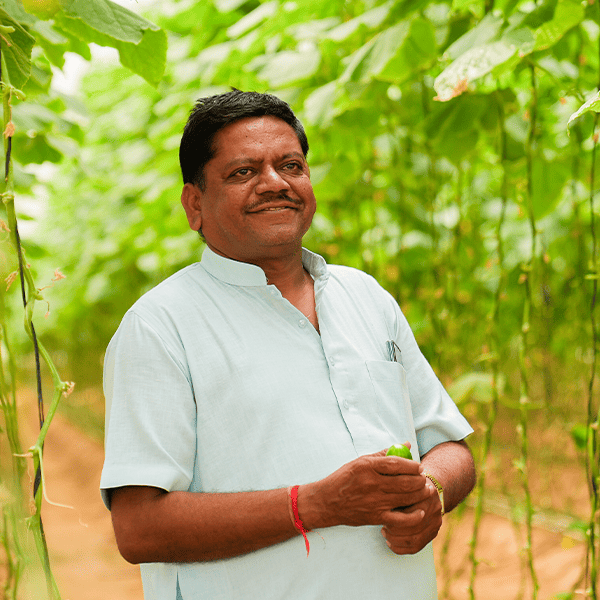
Agrifirst helped me build a successful 4-acre polyhouse farm in Sirsaganj. With their high-quality structures and continuous agronomy support, I now earn ₹60 lakhs annually from cucumber and capsicum cultivation. Their reliability and expert guidance make them a true partner in protected farming.
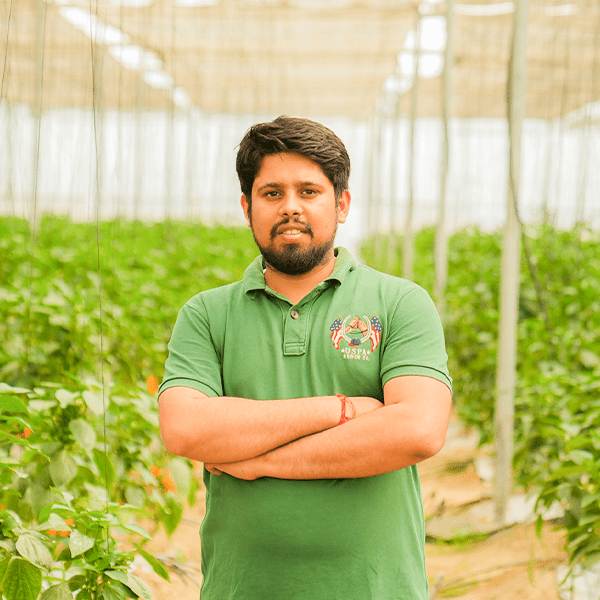
With 21 years in education, I explored protected farming for a sustainable venture. After visiting 19 polyhouses, I chose Agrifirst for their professionalism, quality, and agronomy expertise. Since 2019, I’ve grown cucumber in 1 acre, earning ₹18 lakhs annually. Agrifirst remains my trusted partner in this rewarding agricultural transformation.
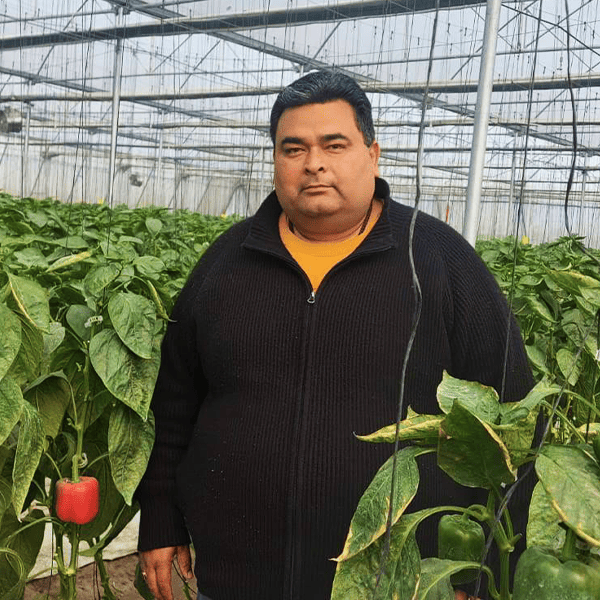
After challenges in running a flour mill, I shifted to agriculture for stability and clear returns. Months of research led me to Agrifirst’s unmatched execution and support. Today, I grow premium capsicum in 2 acres of polyhouse, earning ₹18 lakhs per acre annually. Agrifirst guided me from planning to success.
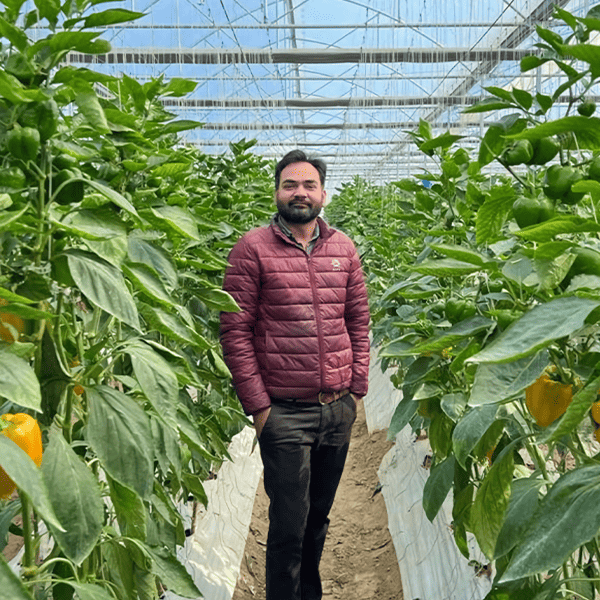
After my husband’s retirement, we explored polyhouse farming with Agrifirst’s transparent guidance. They supported everything—from planning, site selection, and subsidy processing to agronomy assistance. Today, I cultivate capsicum in 2 acres of Nethouse, earning ₹28 lakhs per acre. Agrifirst empowered me as a woman farmer and transformed our farmhouse vision.
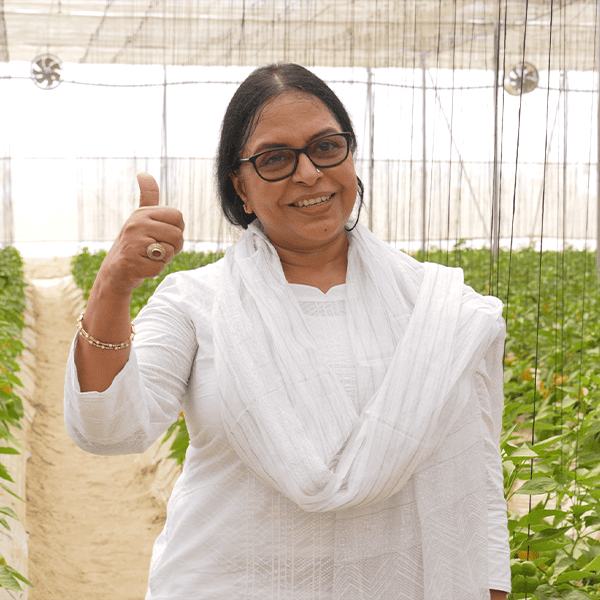
After 15 years in IT, I entered farming with zero experience. Agrifirst guided me through planning, subsidies, setup and agronomy, making the journey seamless. Today, I earn ₹15+ lakhs annually from protected cultivation. Agrifirst didn’t just build my polyhouse—they built my future.
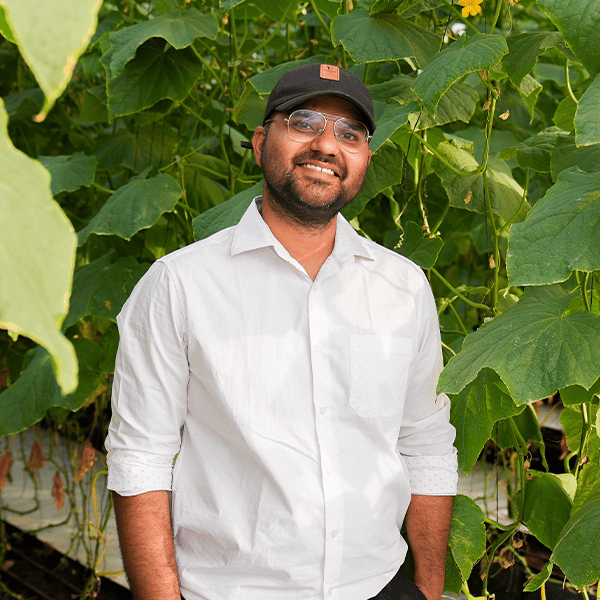
Looking for guidance?

Our agronomic and technical team is ready to help — for free.

Your Profession

Our experts are just a message away

Our Office Agrifirst Lucknow (Registered Office)

Plot No E-7, Industrial Area, Kanpur - Lucknow Rd, near Audi Service Center, Sarojini Nagar, Lucknow, Uttar Pradesh 226401, INDIA


Call Us 918188084460

Email Us info@agrifirst.in