918188084460
🇬🇧 English
🇬🇧 English
🇮🇳 हिन्दी
🇮🇳 मराठी
🇮🇳 தமிழ்
🇮🇳 తెలుగు
🇮🇳 ಕನ್ನಡ
🇮🇳 ਪੰਜਾਬੀ
🇮🇱 עברית
🇸🇦 العربية
🇧🇷 Português
🇪🇸 Español
Greenhouse & Polyhouse Solutions

Soilless Growing Solutions — Mapal Troughs & Strawberry Containers

Grow Without Soil, Without Limits — 700-Micron UV-Stabilized Containers Built for 7 Years of High-Yield Soilless Farming — Agrifirst supplies Mapal Growing Troughs & Strawberry Containers — 700-micron, UV-stabilized for 7 years. Ideal for hydroponics, strawberries, lettuce & terrace farming across North India.

View Products
The Container is the Foundation — Get It Right and Everything Else Follows

The Container is the Foundation — Get It Right and Everything Else Follows

In soilless farming, the growing container is not just a vessel — it is a critical component of the entire crop system. Container geometry determines root zone volume and aeration. Wall thickness and material quality determine how many seasons it will perform before UV degradation causes cracking, leaching, or structural failure that compromises your entire growing setup. A cheap, under-specified container is not a cost saving — it is a yield risk that compounds with every growing cycle.

Agrifirst supplies Mapal's complete range of soilless growing containers — manufactured from 700-micron polypropylene with a 7-year UV stabilization rating, the highest durability specification available in the commercial hydroponics market. Mapal Plastics is an Israeli manufacturer with decades of experience engineering growing solutions for commercial greenhouse and shade net house operations across some of the world's most demanding agricultural environments, and every container in their range reflects that engineering heritage.

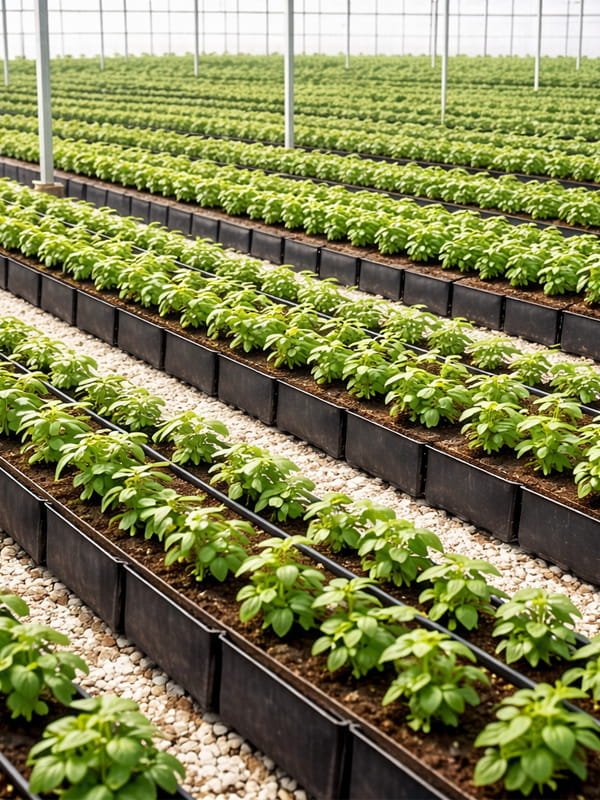
The Mapal Growing Trough is the workhorse of commercial soilless production — a channel-format container compatible with coco peat, rockwool, and other soilless substrates, suited to tomatoes, capsicum, cucumbers, roses, ginger, and a wide range of other crops grown in drip-irrigated substrate systems. For strawberry specialists and terrace farmers, our Strawberry Container range offers both Open Type and Closed Type configurations — each engineered for the specific root zone management, drainage control, and planting density requirements of strawberry cultivation, with the versatility to also grow lettuce and other short-cycle crops in the same system.

Soilless growing is the cultivation of crops in an inert substrate — such as coco peat, rockwool, perlite, or sand — contained in purpose-engineered vessels through which a precisely formulated nutrient solution is delivered directly to the root zone via drip irrigation. Because the container replaces soil as the physical medium supporting the plant, its dimensions, material quality, drainage behaviour, and UV stability directly determine root zone volume, aeration, moisture retention, and how long the system performs without degradation. A low-quality container that cracks, warps, or leaches chemicals after one or two seasons forces costly replacement, disrupts crop scheduling, and can introduce contaminants that destabilize your nutrient solution — making container specification one of the most consequential purchasing decisions in a soilless farming setup.

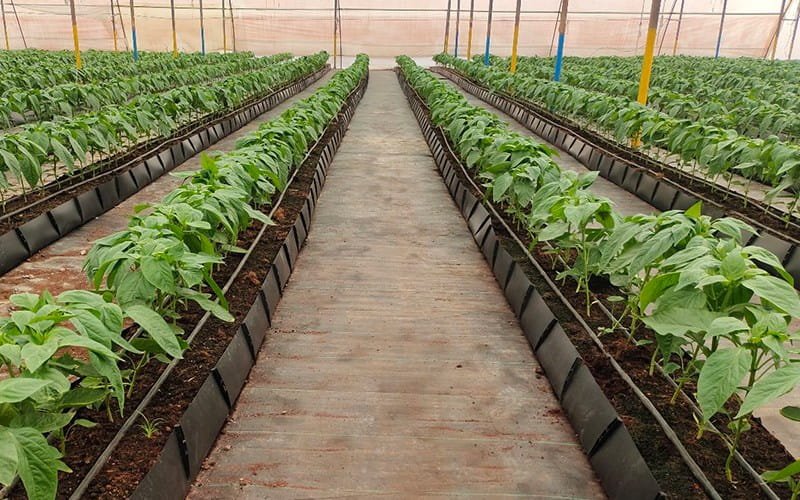
The Mapal Growing Trough is a channel-format soilless cultivation container engineered for commercial substrate-based growing systems inside greenhouses and shade net houses. It is filled with coco peat, rockwool, or other approved substrates and connected to a drip irrigation system that delivers precisely formulated nutrient solution to each plant's root zone. The trough format supports multiple plants per channel, making it highly space-efficient and ideal for indeterminate fruiting crops including tomatoes, capsicum, cucumbers, and eggplants, as well as floriculture crops like roses and gerbera, and specialty crops like ginger that benefit from the precise nutrient and moisture control of a contained soilless root environment.

Wall thickness in growing containers directly determines structural rigidity, resistance to deformation under substrate weight and root pressure, and the thickness of material available for UV stabilizer loading. At 700 microns, Mapal containers maintain their shape and dimensional accuracy across temperature extremes — from peak summer heat inside a polyhouse to cold winter nights in high-altitude growing areas — without the warping, cracking, or collapse that thinner containers exhibit within one to two seasons. The 700-micron specification also provides the physical material depth needed to incorporate Mapal's 7-year UV stabilization package effectively, ensuring the container's surface does not degrade, become brittle, or begin leaching polymer breakdown products into your nutrient solution over its extended service life.

UV stabilization refers to the chemical additives incorporated into the polypropylene during manufacturing that absorb and neutralize ultraviolet radiation before it can break down the polymer chains in the container material. Without UV stabilization, polypropylene becomes brittle, discolours, and begins to crack within 1–2 years of outdoor or greenhouse exposure — causing structural failure, substrate leakage, and potential contamination of the nutrient solution. Mapal's 7-year UV stabilization rating means the containers are engineered and tested to maintain full structural and chemical integrity for a minimum of seven seasons under commercial growing conditions, delivering a total cost of ownership that is significantly lower per year of service compared to cheaper containers requiring replacement every 1–3 seasons.

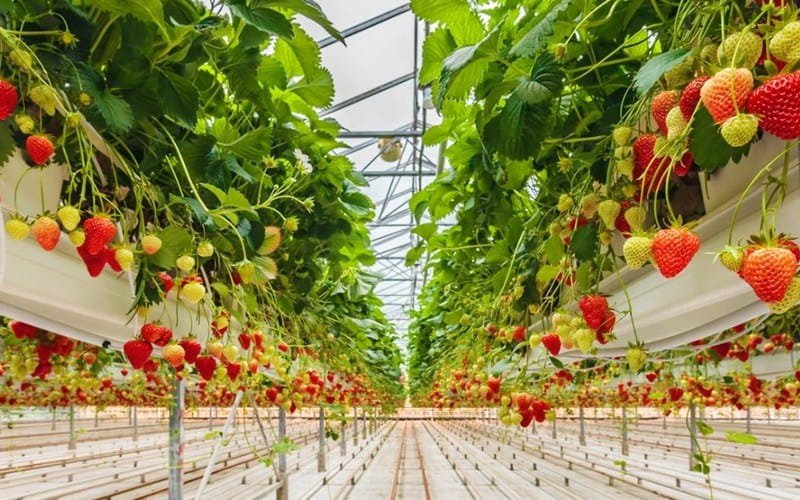
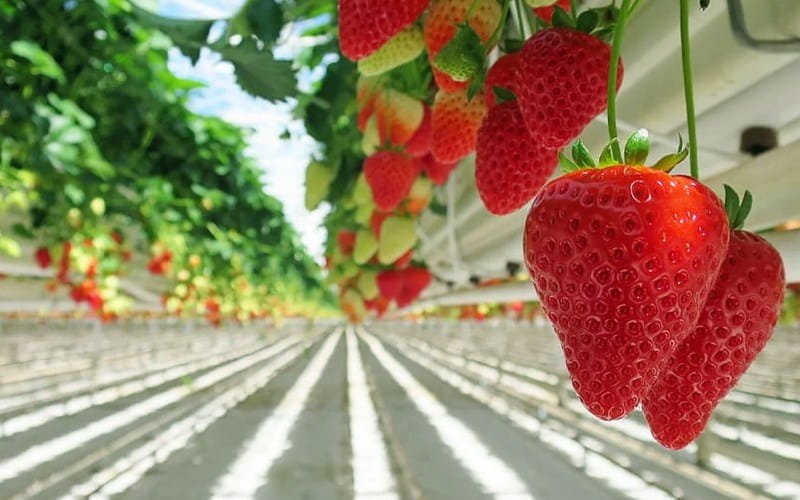
The Mapal Strawberry Container Open Type features an unsealed, open-top substrate channel design that allows unrestricted access to the growing medium from above — facilitating easy planting, transplanting, top-dressing of substrate, and direct visual inspection of root zone conditions without disturbing the plant. The open configuration promotes natural air circulation around the upper root zone, which helps prevent surface moisture accumulation and the fungal conditions it creates. It is best suited to environments with moderate humidity, good ventilation, and lower disease pressure — making it the preferred choice for shade net house strawberry production during the cooler growing seasons of October through March across North India.

The Mapal Strawberry Container Closed Type fully encloses the growing substrate within a sealed channel, with only the plant protruding through precisely sized planting holes in the top surface. This enclosed design creates a more controlled root zone environment with reduced moisture evaporation from the substrate surface, significantly lower risk of algae growth and fungal pathogens entering the root zone from above, and better protection of the substrate from physical contamination during greenhouse operations. The Closed Type is specifically recommended for high-humidity environments, farms with a history of root disease pressure, and growers transitioning from soil-based strawberry cultivation who require tighter control over root zone conditions while establishing their soilless farming protocols.

Yes, significantly so. While the Strawberry Container range is optimised for the specific root zone geometry and planting density of strawberry cultivation, their dimensions and drainage characteristics also make them well-suited for lettuce, spinach, basil, and other short-cycle leafy crops — particularly in terrace farming and urban agriculture setups where space efficiency and container portability are priorities. The Mapal Growing Trough's versatility extends even further, accommodating the deep root systems of ginger, the extended growing cycles of floriculture crops, and the high-density planting of tomatoes and capsicum in commercial greenhouse operations. Agrifirst advises on the correct container type and substrate configuration for any crop you intend to grow.

Mapal containers are exceptionally well-suited for terrace farming and rooftop growing applications. Their lightweight polypropylene construction keeps the installed weight low — critical for rooftop structural load considerations — while their 7-year UV stabilization ensures they withstand full outdoor sun exposure without degrading. The Strawberry Container range in particular has been widely adopted for terrace and balcony strawberry growing due to its compact footprint, self-contained drainage design, and the visual appeal of growing strawberries in an elevated, clean container system. Combined with a simple drip irrigation setup or even manual watering, Mapal containers allow urban farmers and terrace gardeners to achieve commercial-quality strawberry and leafy green yields from very limited space.

The most widely used substrate in Mapal containers under Indian conditions is coco peat — a coconut husk fibre-derived growing medium with excellent water retention, natural buffering properties, and good aeration characteristics suited to both drip-irrigated and hand-watered systems. For commercial greenhouse operations requiring higher precision and lower disease risk, rockwool slabs or blocks are preferred due to their inert composition, consistent drainage behaviour, and compatibility with automated irrigation and BlueLab nutrient monitoring systems. Perlite mixes are also used where lighter substrate weight is needed for terrace applications. Agrifirst recommends the correct substrate type, particle size, and pre-treatment protocol based on your crop, irrigation system, and water quality — as substrate choice interacts directly with pH stability, nutrient availability, and root disease risk.

Agrifirst is the authorised supplier of Mapal soilless growing containers across North India — meaning every container we supply is genuine Mapal specification at 700 microns and 7-year UV stabilization, not a locally manufactured imitation that mimics the appearance but lacks the material quality and engineering precision. Beyond product supply, Agrifirst provides complete soilless system design covering container layout, substrate selection, drip irrigation specification, nutrient solution management using BlueLab automation, and agronomic crop protocols — so your Mapal container investment is part of a properly engineered, fully supported growing system rather than an isolated purchase. Our team supports you from installation through your first full commercial harvest and beyond.

Success Stories

Real Farmers, Real Results

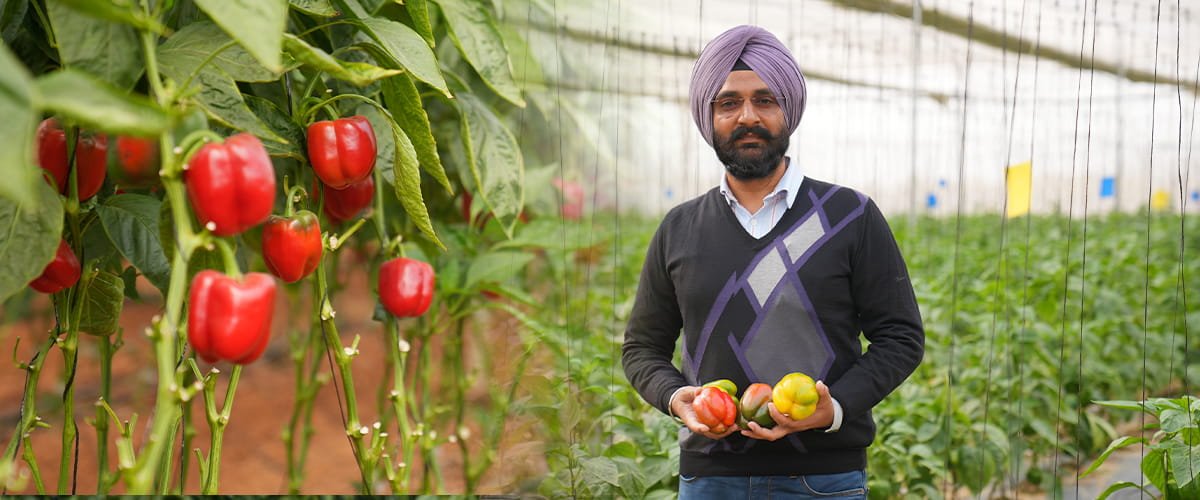
After completing my Agriculture degree, I chose full-time farming over a job. Discovering polyhouse cultivation transformed my journey. With Agrifirst’s superior structures and professional guidance, I now earn around ₹10 lakhs per acre annually. Choosing Agrifirst was the best decision— they’re not just builders but long-term partners in a successful farming future.
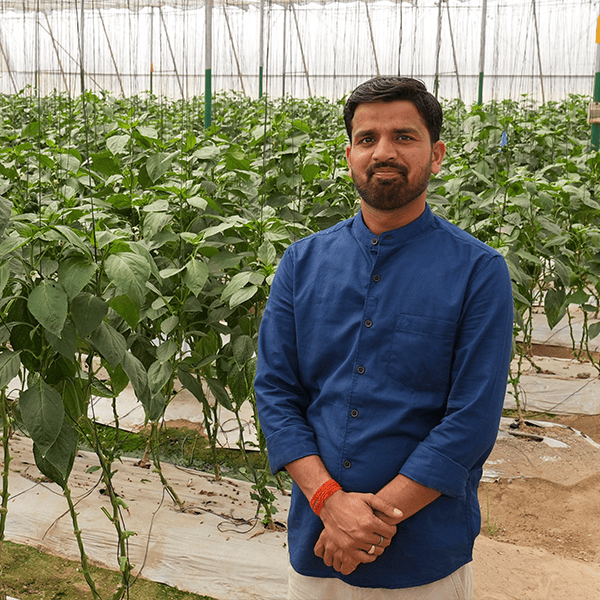
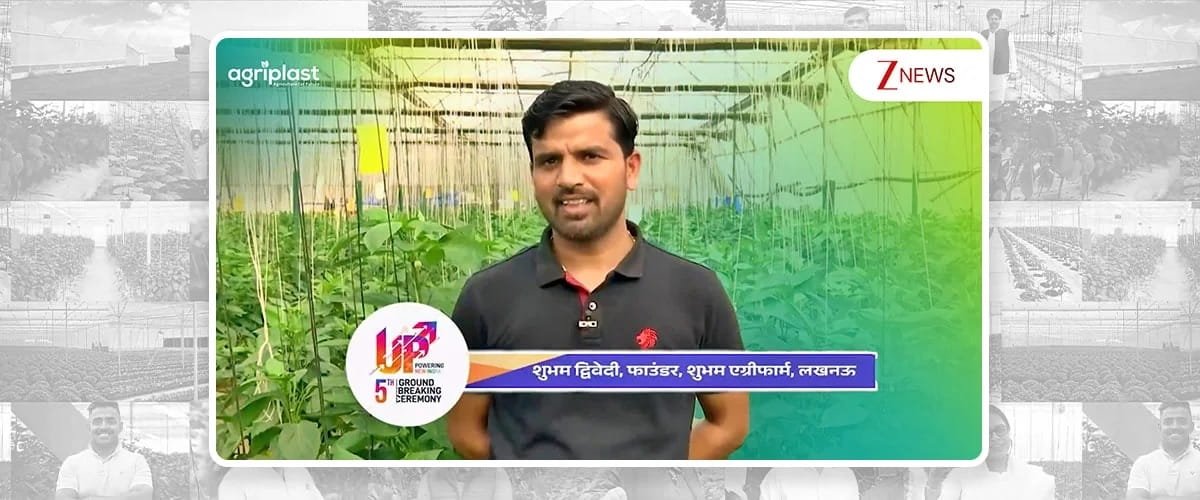
Agrifirst transformed my farming journey. From planning my first polyhouse to expert agronomy support, their team guided me at every step. With improved yields and consistent income, I expanded into multiple polyhouses and now earn over ₹35 lakhs annually. Agrifirst is a true growth partner for farmers like me.

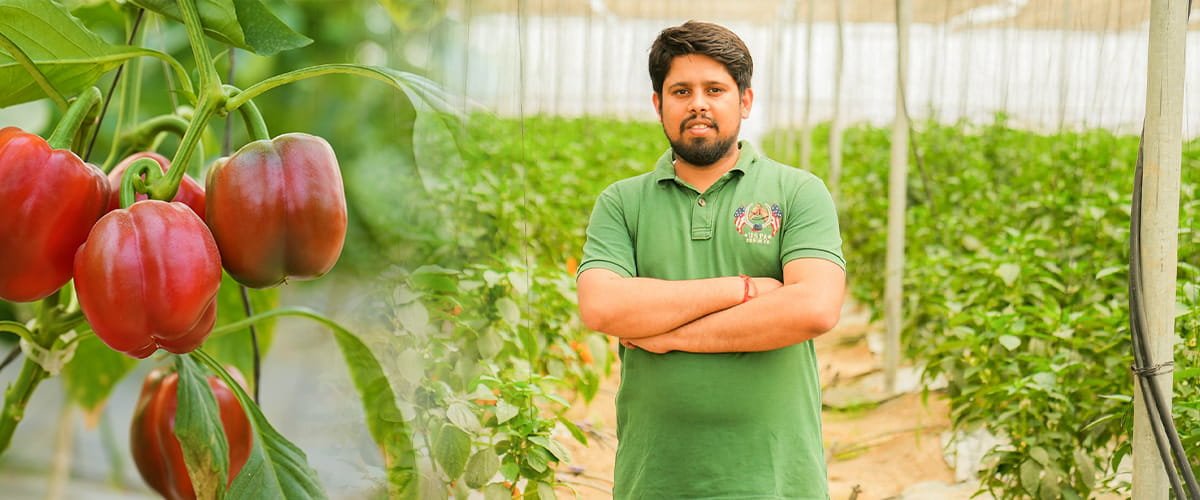
Coming from the handloom business, traditional farming gave low returns. Agrifirst introduced me to polyhouse cultivation and guided me from planning to agronomy. Within two years, my land productivity and profits transformed. Protected farming helped me rediscover passion and purpose. Agrifirst’s quality, professionalism, and support were key to my agricultural success.
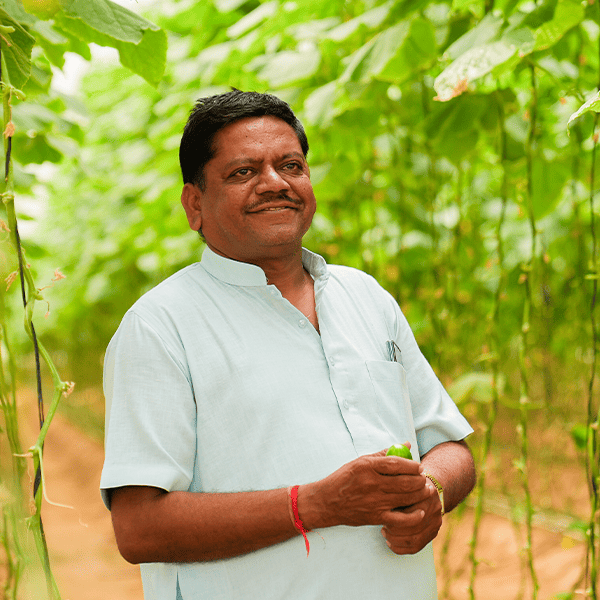
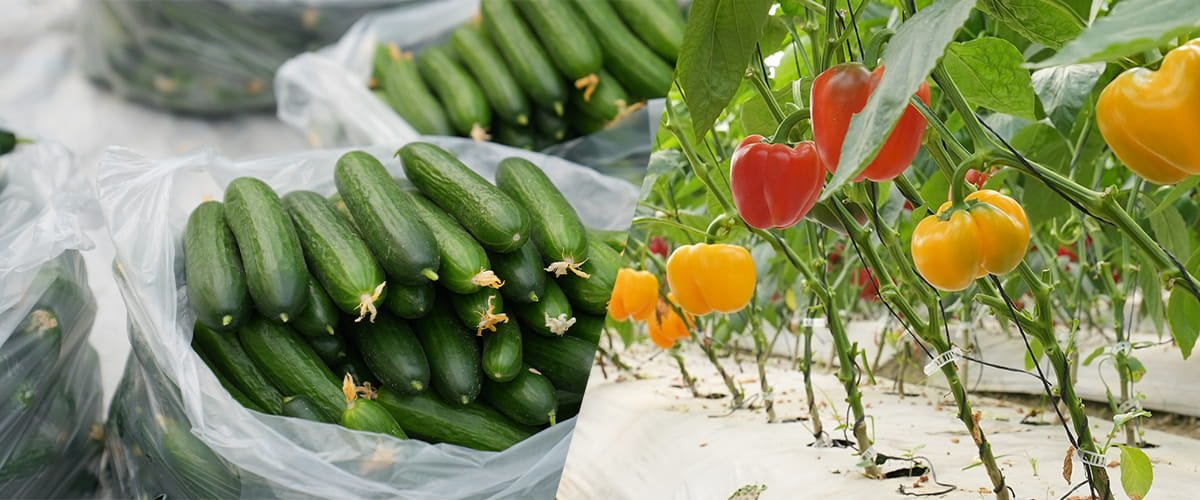
Agrifirst helped me build a successful 4-acre polyhouse farm in Sirsaganj. With their high-quality structures and continuous agronomy support, I now earn ₹60 lakhs annually from cucumber and capsicum cultivation. Their reliability and expert guidance make them a true partner in protected farming.
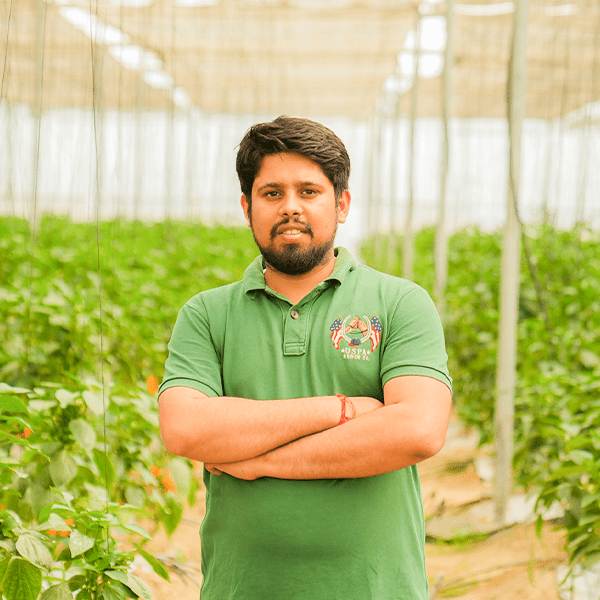
With 21 years in education, I explored protected farming for a sustainable venture. After visiting 19 polyhouses, I chose Agrifirst for their professionalism, quality, and agronomy expertise. Since 2019, I’ve grown cucumber in 1 acre, earning ₹18 lakhs annually. Agrifirst remains my trusted partner in this rewarding agricultural transformation.
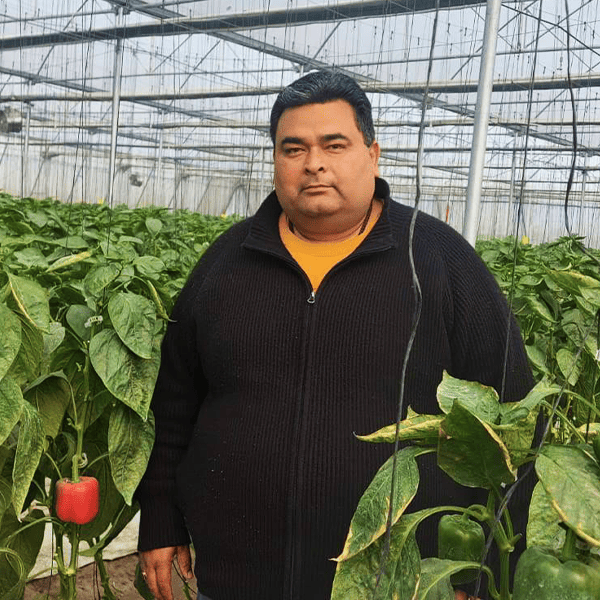
After challenges in running a flour mill, I shifted to agriculture for stability and clear returns. Months of research led me to Agrifirst’s unmatched execution and support. Today, I grow premium capsicum in 2 acres of polyhouse, earning ₹18 lakhs per acre annually. Agrifirst guided me from planning to success.
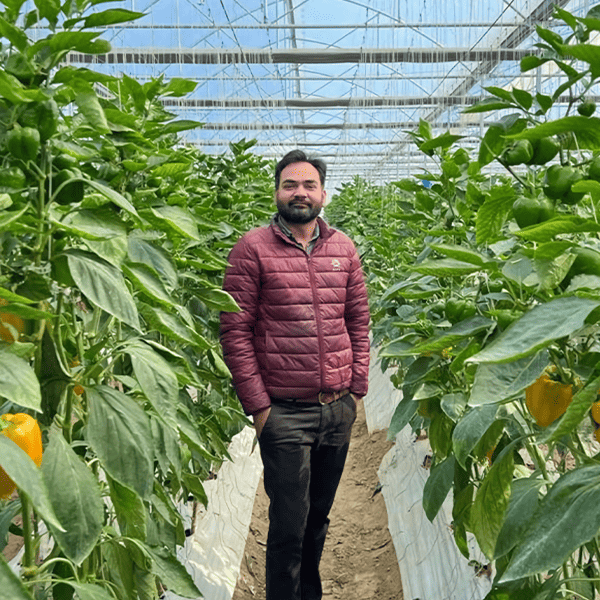
After my husband’s retirement, we explored polyhouse farming with Agrifirst’s transparent guidance. They supported everything—from planning, site selection, and subsidy processing to agronomy assistance. Today, I cultivate capsicum in 2 acres of Nethouse, earning ₹28 lakhs per acre. Agrifirst empowered me as a woman farmer and transformed our farmhouse vision.
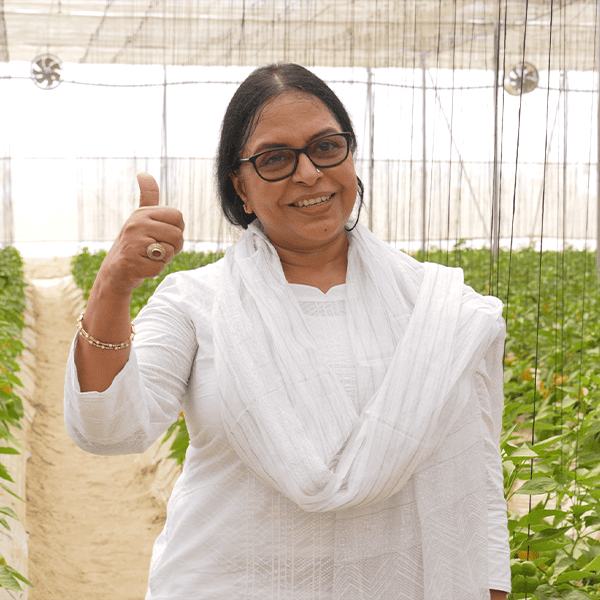
After 15 years in IT, I entered farming with zero experience. Agrifirst guided me through planning, subsidies, setup and agronomy, making the journey seamless. Today, I earn ₹15+ lakhs annually from protected cultivation. Agrifirst didn’t just build my polyhouse—they built my future.
From Our Blog

Ideas that grow.

Insights for Smarter Farming.

All Articles

Looking for guidance?

Our agronomic and technical team is ready to help — for free.

Your Profession

Our experts are just a message away

Our Office Agrifirst Lucknow (Registered Office)

Plot No E-7, Industrial Area, Kanpur - Lucknow Rd, near Audi Service Center, Sarojini Nagar, Lucknow, Uttar Pradesh 226401, INDIA


Call Us 918188084460

Email Us info@agrifirst.in